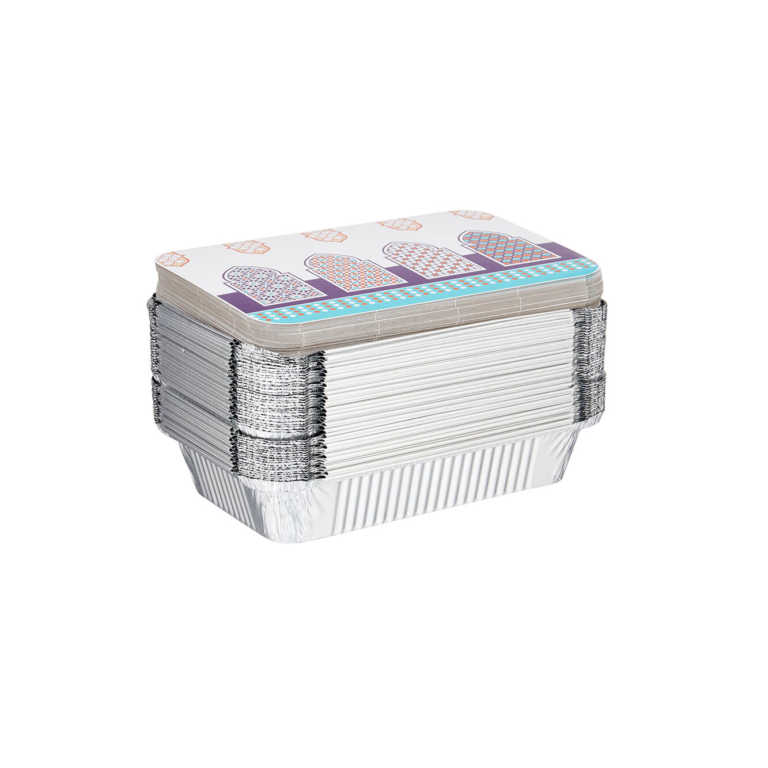


In the food industry, packaging is not just a protective layer; it is a strategic marketing tool. A well-designed label in food packaging can influence consumer decisions, strengthen brand identity, and ensure regulatory compliance. As customers increasingly demand transparency, clarity, and visual appeal, food brands must carefully consider what elements a label should contain to achieve market success. The right features on a label not only convey essential product information but also build trust, drive purchases, and differentiate a product on crowded shelves. From nutritional information to brand storytelling, every element plays a pivotal role in shaping customer perception.
This blog explores the top features every label should include, providing actionable insights for food brands aiming to elevate their packaging strategy while engaging consumers effectively.
1. Clear Product Identity and Branding Elements
- Brand Name and Logo Placement: The brand logo and name should be prominently displayed to ensure instant recognition. Clear placement enhances recall and creates a professional appearance. A strong visual identity can help products stand out, particularly in competitive retail environments.
- Tagline or Product Promise: Incorporating a concise tagline or statement that communicates the product’s unique value proposition can make a significant impact. Whether it emphasizes freshness, organic ingredients, or a health benefit, a tagline succinctly conveys the brand’s promise.
- Color Scheme and Typography: Carefully chosen colors and fonts reflect the brand’s personality and appeal to the target demographic. Vibrant colors may attract younger audiences, while minimalist designs can communicate sophistication or premium quality.
By focusing on clear branding and product identity, a label becomes more than a piece of information; it transforms into a visual ambassador for the brand.
2. Comprehensive Nutritional Information and Ingredients
- Nutrient Breakdown: Providing detailed nutritional information is crucial for informed decision-making. This includes calories, macronutrients, vitamins, minerals, and any other relevant nutritional elements. Clear formatting, such as tables or grids, enhances readability and ensures compliance with food regulations. Well-presented nutritional data instills consumer confidence in the product’s health and quality.
- Ingredient Transparency: Listing ingredients in descending order of quantity ensures transparency and builds trust with consumers. Highlighting allergen information or potential dietary concerns (e.g., gluten, nuts, dairy) is essential for safety and responsible marketing. Transparency reduces the risk of adverse reactions while demonstrating a brand’s commitment to honesty.
- Health Claims and Certifications: Any certifications, such as organic, non-GMO, or gluten-free, should be clearly visible. Health claims must be accurate and substantiated to avoid misleading customers. Certifications not only comply with regulations but also appeal to health-conscious buyers who prioritize verified claims in their purchasing decisions.
Including detailed nutritional and ingredient information is a cornerstone of a successful food pack label, ensuring that consumers feel informed and safe while making choices.
3. Regulatory Compliance and Legal Requirements
- Mandatory Labeling Elements: Every food label must include required information as per local regulations. This typically includes net weight, expiration date, storage instructions, and manufacturer details. Failure to provide this information can result in legal consequences and damage brand credibility.
- Barcodes and Traceability Features: Integrating barcodes or QR codes facilitates inventory management, product tracking, and efficient scanning at retail points. Traceability enhances consumer confidence by enabling access to sourcing details or production information. This technological inclusion strengthens both operational efficiency and customer engagement.
- Allergen and Warning Statements: Clear allergen warnings and precautionary statements protect consumers from potential risks. These must be easy to locate and understand to prevent health issues. Legal clarity on these statements mitigates liability and reinforces the brand’s reputation as a responsible provider.
Adhering to regulatory requirements is not just a legal obligation; it positions the product as trustworthy and professional, essential for long-term market success.
4. Visual Appeal and Consumer Engagement Features
- High-Quality Graphics and Imagery: Vibrant visuals, product illustrations, or lifestyle images attract consumer attention and convey quality. Clear and appealing graphics create an emotional connection, making the product more memorable. Packaging that tells a story through imagery can significantly influence buying behavior.
- Interactive and Innovative Labeling: Incorporating QR codes, augmented reality elements, or peel-off information layers can enhance engagement. Consumers increasingly value interactive experiences that provide additional product details, recipes, or brand stories. Innovation in labeling turns an ordinary package into a memorable consumer touchpoint.
- Readability and Design Layout: Strategic placement of information ensures that labels are easy to read at a glance. Using hierarchy in font sizes, spacing, and contrast improves comprehension and visual flow. A cluttered label can overwhelm consumers, while a clean, organized layout reinforces professionalism and trust.
By combining aesthetic appeal with interactivity, labels become both functional and persuasive, strengthening the product’s market presence.
5. Durability and Material Considerations for Market Success
- Material Quality: Labels must withstand environmental conditions such as moisture, temperature changes, or friction during handling and transport. Using durable substrates like waterproof paper, laminated finishes, or synthetic materials ensures longevity. A label that remains intact throughout the product’s lifecycle reflects quality and attention to detail.
- Print Clarity and Ink Durability: High-resolution printing and long-lasting inks prevent smudging, fading, or peeling. Clear text and imagery are essential for readability and professional presentation. Investing in reliable printing solutions enhances both aesthetic value and functionality.
- Sustainability Considerations: Environmentally conscious consumers increasingly favor products with recyclable or biodegradable labels. Sustainable labeling materials communicate a brand’s commitment to eco-friendly practices, which can differentiate the product in the market.
Selecting the right materials and printing techniques is crucial for a label to perform consistently, maintain product appeal, and meet modern consumer expectations.
Conclusion
A strategically designed label goes beyond aesthetics; it communicates brand identity, provides essential information, ensures compliance, and engages consumers. By including features such as clear branding, detailed nutritional information, regulatory compliance, visual appeal, and durable materials, food brands can achieve market success while fostering trust and loyalty. Labels that combine functionality with creativity can influence purchasing behavior, differentiate products, and create a lasting impression in a competitive marketplace.
Investing in professional labeling solutions and connecting with a label printer company ensures that your products meet quality standards and resonate with your audience. For businesses aiming to elevate their packaging strategy and maximize shelf impact, exploring the services offered by Stars Printing & Packaging LLC can provide the precision, innovation, and reliability necessary for modern food labeling success.