Commodity markets have long played an important role in the global economy, connecting producers, businesses, investors, and financial participants with assets such as gold, silver, crude oil, and natural gas. However, participating in these markets today involves more than simply understanding price movements. The technology used to access and monitor the market can influence how efficiently traders analyse information, place orders, manage positions, and respond to changing conditions. For modern market participants, a commodity trading account can provide a structured way to access commodity-related instruments through an online trading environment.
Contents
- What Is a Trading Platform?
- The Importance of Market Data and Analysis
- Order Execution and Trade Management
- Choosing the Right Brokerage Environment
- Risk Management Through the Platform
- Why Platform Usability Matters
- The Growing Role of Integrated Trading Technology
- Conclusion
The platform behind that account becomes an important part of the overall trading experience, bringing market information, analytical tools, order management, and account functions together in one place. Understanding what these platforms offer can help traders make more informed decisions about how they approach commodity markets.
What Is a Trading Platform?
A trading platform is a software environment that allows market participants to monitor financial instruments and interact with available markets. Depending on the provider and instrument, it may provide live or near-real-time pricing, interactive charts, technical indicators, order management functions, account information, and other analytical resources. In commodity trading, these features can be particularly relevant because prices may respond to a wide range of influences.
Supply and demand conditions, economic announcements, interest-rate expectations, currency movements, weather patterns, inventory levels, and geopolitical developments can all contribute to price fluctuations. A well-structured platform brings relevant information together so traders do not have to depend entirely on separate systems. This can make the process of observing markets more organised and allow users to respond to opportunities or risks according to their own trading plans.
The Importance of Market Data and Analysis
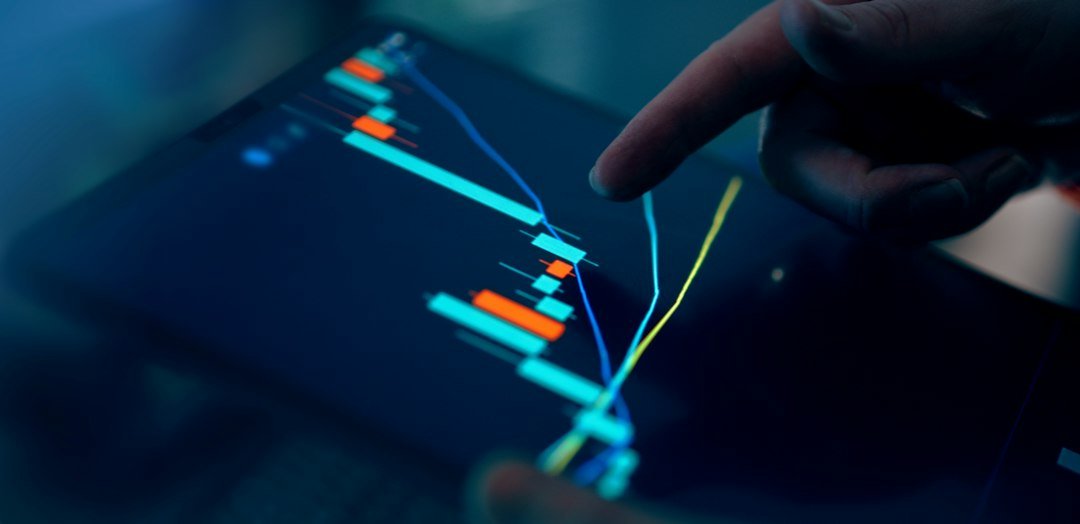
Commodity prices can change quickly, making timely information an important part of the decision-making process. Trading platforms therefore often incorporate charts, market prices, technical indicators, news feeds, and other analytical resources. Charts allow traders to examine historical and current price behaviour, while technical indicators can help identify patterns or changes in momentum. Market news can provide additional context around economic developments, production changes, geopolitical events, or other factors that may affect commodity prices.
However, these tools should be treated as sources of information rather than guarantees of future performance. Technical signals can produce misleading indications, while fundamental developments can affect markets in unexpected ways. Traders need to consider multiple sources of information and understand the limitations of any analytical tool before making decisions.
Order Execution and Trade Management
Another significant function of a trading platform is order execution. Once a trader has developed a market view and decided to enter or exit a position, the platform provides the interface for submitting and managing the relevant order. The available order types may vary between platforms and instruments. Market orders, limit orders, stop orders, and other instructions can serve different purposes. Understanding how each order operates is important because execution conditions may influence the final outcome of a trade. Trade management also extends beyond opening a position.
Choosing the Right Brokerage Environment
The trading platform is only one part of the overall market-access experience. The brokerage environment supporting the platform can also affect available instruments, pricing conditions, execution infrastructure, account types, customer support, and other services. For this reason, traders researching the best broker for commodity trading should look beyond promotional claims and examine practical factors that relate to their individual requirements. These may include the commodities available, applicable spreads and commissions, platform functionality, execution practices, regulatory framework, funding methods, customer support, and risk-management provisions.
Risk Management Through the Platform
Technology can support risk management, but it cannot remove market risk. Commodity prices can experience significant volatility, particularly when markets react to unexpected economic or geopolitical developments. Trading platforms can nevertheless provide tools that help users monitor and manage exposure. Stop-loss orders, position-size information, margin indicators, account statements, and real-time position monitoring can all contribute to a more disciplined approach.
Leverage requires particular attention. Although leverage can allow traders to control larger positions with a smaller amount of capital, it can also magnify losses. Users should understand how leverage and margin operate before trading leveraged commodity instruments and should avoid taking positions that exceed their ability to absorb potential losses.
Why Platform Usability Matters
A platform can offer sophisticated features, but those features are most useful when traders can understand and use them effectively. A clear interface can make it easier to locate instruments, review charts, place orders, and monitor positions without unnecessary complexity. For experienced traders, advanced charting, multiple indicators, custom layouts, and detailed market information may be valuable. Beginners may place greater emphasis on straightforward navigation, educational resources, demo environments, and accessible customer support. This makes platform selection a personal consideration. The most suitable environment depends on a trader’s experience, objectives, preferred instruments, trading frequency, and level of technical familiarity.
The Growing Role of Integrated Trading Technology
As financial markets become increasingly digital, trading platforms are evolving beyond basic order-placement systems. Modern platforms can combine market data, analytical tools, account management, research resources, and communication features within a single ecosystem. Multi-asset platforms can also allow eligible users to monitor different markets from one interface. For traders interested in commodities alongside other asset classes, this can provide a broader view of market relationships and portfolio exposure.
Conclusion
Access to commodity markets is increasingly shaped by the quality and functionality of digital trading technology. From market data and charting to order execution and risk-management tools, a trading platform can influence how efficiently traders interact with available commodity instruments. For those exploring a commodity trading account, evaluating platform functionality alongside brokerage conditions, regulatory considerations, costs, available instruments, and support can provide a more complete understanding of the trading environment. Ultimately, informed participation requires both suitable technology and a clear understanding of market risk.
With its focus on multi-asset market access, trading technology, client support, and a structured approach to the global financial markets, Angelsky reflects the broader evolution of modern brokerage services. Its platform-oriented approach demonstrates how accessible technology and market infrastructure can work together to create a more connected trading environment, while traders remain responsible for understanding the risks and making decisions according to their own circumstances.