Vaping has become more and more widespread among teenagers as well as adults, and it presents a new set of issues in terms of public areas, particularly at schools, workplaces, and recreational places. Outdated smoke detectors cannot detect vapor particles, and this implies that vaping is not well-known and controlled. This is where vape detectors are very important.
These are especially designed to detect the chemicals and aerosols emitted by e-cigarettes so that the institutions can use them to monitor and regulate vaping habits. With the steady increase in vaping, the need to have good systems of detection has been on the rise, forcing technology to improve its accuracy, sensitivity, and ability to provide real-time alerts.
The operation of Vape Detectors and their importance
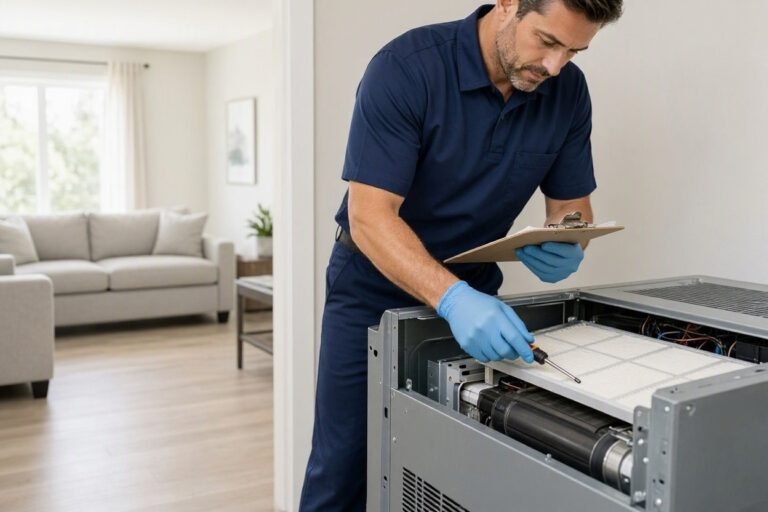
Vape detectors have superior sensors that can identify the particles that are released by different vaping products, such as nicotine and THC vapes. They may be placed in bathrooms, corridors, lifts, and other places where vaping is usually hard to keep under surveillance. Halfway through the implementation of such technology, most institutions are focusing on solutions such as a vape detector for schools so that they can have a safer learning environment. These sensors are not based on the visible smoke but, instead, on the variations in the quality of the air and the chemical structure. When activated, they give instant messages to administrators or security teams via the interconnected systems and allow prompt response.
Vape detectors deter the act of vaping because they make people hold themselves accountable. The knowledge that they are subject to detection of their actions will reduce the probability of people vaping in confined spaces. This provides a more regulated environment, which exposes non-users to harmful aerosols. In the case of schools, this is particularly critical since it prevents the health of the students and creates an atmosphere of discipline without any substances that can interfere with the learning process or cause health implications over time.
Vape Detection Technology in the Future
The devices that are used to detect vaping are also changing as vaping is growing. Improvements in the accuracy, detection of different substances, and connection with smart building systems are likely to be brought to the future of the vape detectors. Advanced detectors can automatically control the flow of air or monitor the cycles of repeat vaping or offer detailed data analysis that can assist institutions in pinpointing areas of issues.
To sum up, vape detectors have turned out to be invaluable in ensuring healthy and safe surroundings in schools, businesses, and the general population. They assist in alleviating health risks and enforcing rules, safeguarding property, and improving the quality of air. With the evolution of technology and the shift in vaping behavior, vape detectors will continue to be a needed and efficient solution to the concern of responsible behavior and helping the community to be safe against the unseen threat of aerosol exposure.